As an Amazon Associate, we earn from qualifying purchases. Some links may be affiliate links at no extra cost to you. Although our opinions are based on curated research, we haven't used these products. Articles generated with AI.

What Are Korean Meditation Techniques?

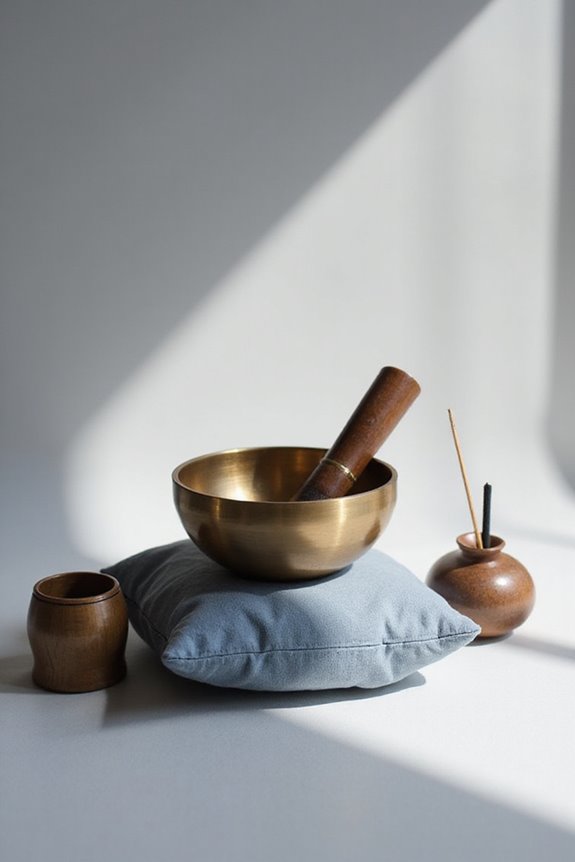
Korean meditation techniques include varied practices rooted in Buddhist and Taoist traditions. One prominent form is Seon meditation, which focuses on direct experience through hwadu—a paradoxical question aimed at breaking habitual thought patterns. Another approach, Chunhwa Sundo, harmonizes body and mind, combining physical movement with controlled breathing to cultivate life energy, or Ki. Additionally, cultural rituals like tea ceremonies serve as informal, mindful practices. There’s much to uncover about how these techniques enhance well-being and daily life integration.
Key Takeaways
- Korean meditation encompasses various techniques from Buddhist and Taoist traditions, focusing on mindfulness and cultivating inner peace.
- Seon meditation emphasizes direct experience and the use of hwadu, a paradoxical question, to foster self-realization.
- Chunhwa Sundo integrates physical movements with meditative practices, emphasizing controlled breathing and Ki cultivation for holistic well-being.
- Mindful cultural rituals, such as tea ceremonies and calligraphy, transform everyday tasks into meditative experiences, enhancing awareness and engagement.
- Meditation practices are increasingly accessible in urban settings, offering effective tools for anxiety relief and general mental wellness.
Overview of Korean Meditation Practices
You may be interested
How To Achieve Korean Skincare Goals?
September 4, 2025

How To Choose Korean Health Supplements?
September 4, 2025

How To Create Korean Wellness Routine?
September 4, 2025
Korean meditation practices encompass a diverse array of techniques that reflect both Buddhist and Taoist traditions, allowing practitioners to cultivate mindfulness and inner peace. Our meditation history reveals the significance of these techniques, shaped by cultural influences over centuries. In Korean Buddhism, rituals like the 108 prostrations and mantra recitation emphasize devotion and connection to the Buddhist teachings. Taoist practices, such as Chunhwa Sundo, integrate controlled breathing with deliberate movements, promoting harmony within the body. Furthermore, Korean yoga incorporates stretching and breathwork to enhance overall well-being. These practices are often woven into daily life, including mindful eating and calligraphy, reflecting our cultural appreciation for harmony and mindfulness. Consequently, these varied techniques serve as tools for personal growth and stress relief.
Seon Meditation: The Essence of Mind-Sitting
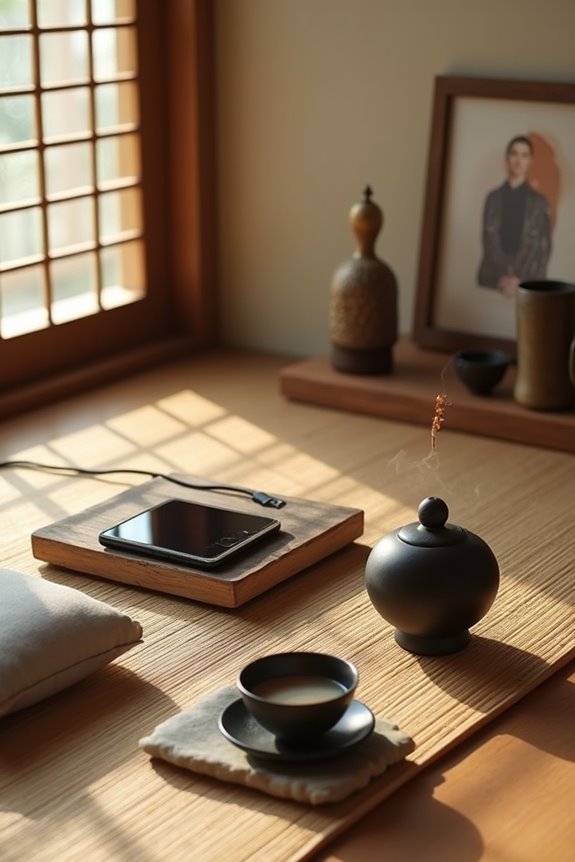
Seon meditation, which embodies the essence of mind-sitting, offers a profound exploration of one’s own consciousness and inherent existence. This practice emphasizes direct experience rather than intellectual comprehension, guiding us to perceive our true nature. Central to Seon is the hwadu practice, where we focus on a paradoxical question to transcend conventional thinking. For instance, asking “What is this?” compels us to break free from habitual thought patterns. Seon promotes non-dualism exploration, encouraging us to realize that the sense of self is an illusion. Through consistent meditation sessions, we deepen our insight, moving toward enlightenment. The ultimate goal is to experience inner peace, where we perceive our essence is interconnected with all existence, free from the cycle of birth and death.
Chunhwa Sundo: Harmonizing Body and Mind
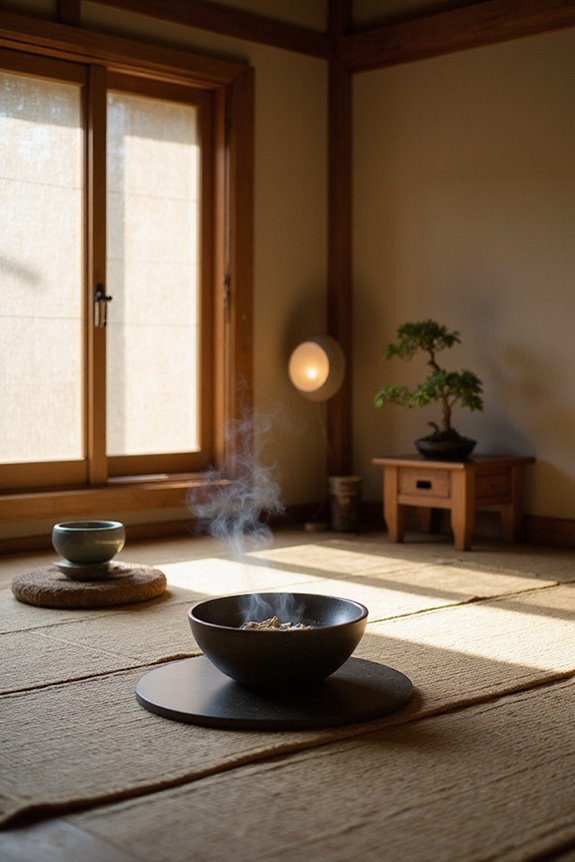
While many practices focus solely on mental tranquility, Chunhwa Sundo offers a thorough approach that harmonizes both body and mind, integrating physical movement with meditative techniques. This Korean Taoist practice emphasizes Chunhwa Sundo techniques, including controlled breathing and specific postures, to cultivate Ki, or life energy. As we engage in Tancheon cultivation, we refine energy through three primary centers, promoting overall wellness. The practice incorporates various breathing exercises, enhancing our physical flexibility and mental clarity. The unity of mind and breath is essential for energy refinement, allowing us to achieve a deeper sense of balance. With its ancient roots and modern adaptations, Chunhwa Sundo is increasingly recognized as an effective means of promoting holistic well-being.
Recommended Products

🧠 Introducing (6) Ambient Nature Sounds: the addition of crashing waves, birds chirping or a strong breeze can enhance your guided breathing experience by combining visual slow breathing exercises with a soothing backdrop of nature’s melodies. A complimentary tag team of sensory self care that can help manage or reduce stress & anxiety, increase focus, and improve sleep. A simple & fun meditation tool that can also cultivate mindfulness to help you live in the present moment.
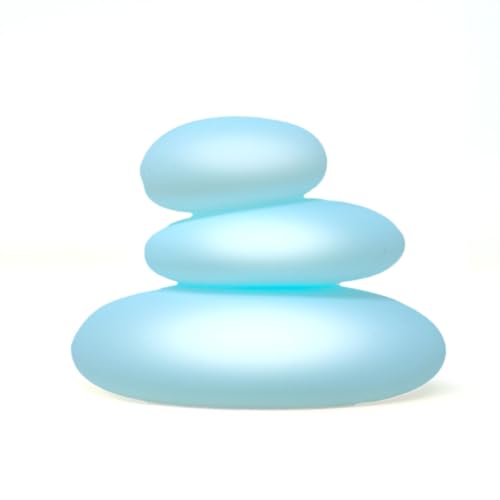
🧠 WHAT IT'S FOR: Daily guided breathing to help calm & focus your mind during the day or promote a peaceful night sleep, improving overall wellness. Continued practice can help manage or reduce stress & anxiety in all ages and can help improve symptoms of depression. A simple & fun meditation tool that can also cultivate mindfulness to help you live in the present moment.
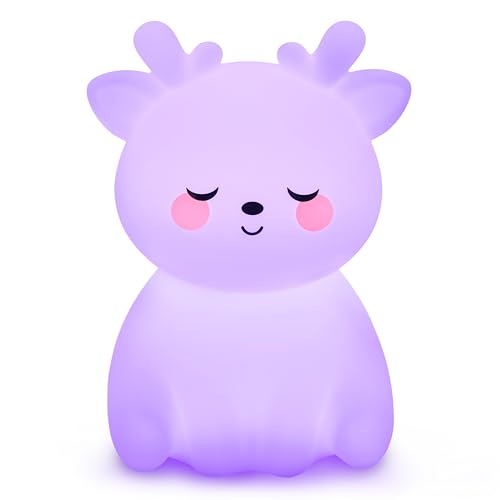
3 BREATHING EXERCISES: Whether you're looking to relax, focus, or sleep, our device offers three effective breathing techniques to suit your needs. Choose from the 4-7-8 breathing for alleviating anxiety relief, the 4-4-4-4 Box Breathing for heighten focus, or the 5-5 breathing for relaxing mood. Each mode guides you through the breathing pattern with intuitive light cues, making it easy to achieve mindfulness.
The Benefits of Korean Yoga
As we explore the benefits of Korean yoga, it’s evident that this practice offers a thorough approach to enhancing both physical and mental health. The physical benefits include improved flexibility, strength, and functional movement, which contribute to overall fitness. Additionally, Korean yoga supports chronic disease management through stress reduction and better regulation of the nervous system. On the mental health side, incorporating mindfulness practice leads to emotional well-being and clarity, while reducing occupational stress and burnout. Practicing in a group setting fosters community support, enhancing our commitment to holistic wellness. By addressing both physical and psychological aspects, Korean yoga enables an all-encompassing pathway to improved quality of life and resilience against stress-related challenges.
Recommended Products

【Centric Health Suite: Intelligent Cycle Tracking + Multi-Health Monitoring】Designed to prioritize male&female wellness, this smart watch integrating real-time heart rate, and sleep data for holistic health insights. Receive personalized reminders and wellness tips via the app, empowering users to manage their physiological health with precision.
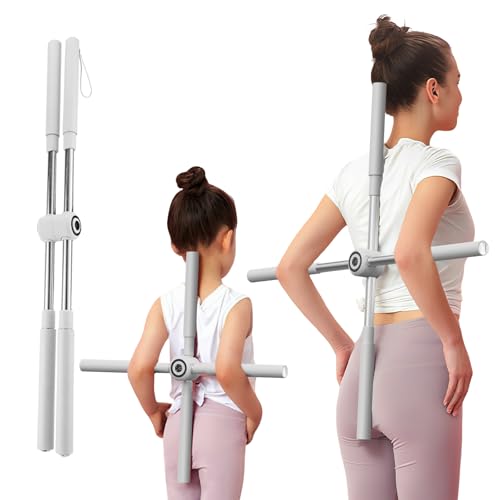
POSTURE CORRECTOR - Promotes straight posture - Corrects slight hunchback, opens back and shoulders - The Yoga Cross Stick stretches your shoulder and trains your posture, you get an improved pose that makes you more confident, younger and look some inches taller!

【Correct Posture & Combat Tech Hunch】This yoga stick gently aligns your spine and opens tight shoulders—ideal for office workers & students to reverse daily slouching from screens. Stand taller, breathe easier, and restore natural posture in minutes.
Mindfulness Through Daily Cultural Rituals
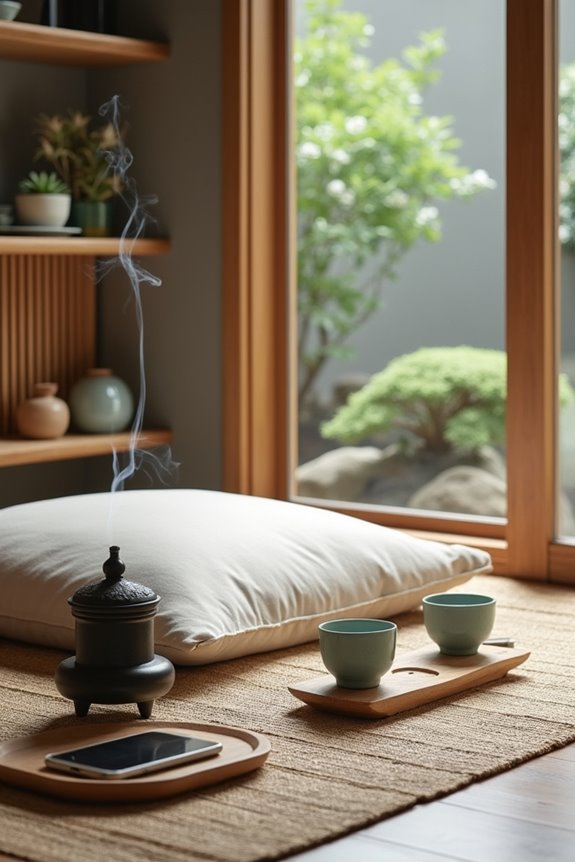
Incorporating mindfulness into our daily lives can often be achieved through the beautiful rituals woven into Korean culture, which seamlessly blend tradition with a focus on the present moment. Daily mindfulness can be experienced through practices like the tea ceremony and calligraphy, both of which demand our complete attention. These cultural rituals transform ordinary tasks into rich, moving meditations, allowing us to touch on deeper aspects of life. Additionally, these practices preserve cultural heritage while fostering inner calm and serenity. By participating in such mindful rituals, we cultivate an awareness of our surroundings and engage fully with each moment. Ultimately, these accessible practices encourage us to weave mindfulness seamlessly into our everyday routines, enriching our lives with every ritual.
Rituals in Korean Buddhism
Korean Buddhism is renowned for its rich rituals and practices, many of which serve as pathways to mindfulness and spiritual growth. Among these, bowing rituals stand out as a method to cultivate humility and respect, often incorporating a five-step process that enhances one’s awareness. Another important practice involves chanting dharanis, which are protective spells recited to foster spiritual well-being and safeguard practitioners. These rituals not only focus on individual growth but also emphasize community involvement, as group chanting enhances the collective experience. Additionally, other practices like 108 prostrations further instill discipline and purification in our spiritual journeys. Engaging in these rituals deepens our connection to Buddhist teachings, allowing us to cultivate a more mindful and compassionate life.
The Role of Breathwork in Meditation
Breathwork plays a pivotal role in our meditation practices, primarily serving as a foundational tool for achieving mindfulness and balance. Through effective breath control, we can manage our life force, known as Ki, which is essential for harmonizing our mind and body. Techniques such as deep breathing and core breathing allow for energy accumulation, heightening our concentration and awareness during meditation. Additionally, these practices enhance emotional balance and promote relaxation by reducing stress levels. Incorporating breathwork into our meditation routines improves physical health as well, leading to better digestion, increased strength, and improved flexibility. By fostering a strong mind-body connection, breathwork not only enriches our meditation experience but also supports our overall well-being.
Recommended Products

☑️Enhance Your Workspace: The P2 is more than a timer - It’s your tool for focus, calm, and lasting productivity. With elegant design and precise audio-visual cues, it helps you stay engaged and balanced. Built with care and quality, the P2 turns time management into a daily ritual worth keeping

We added vibration and cycle timing functions to this timer, making it suitable for more occasions. Besides food cooking, egg boiling, children’s time management, classroom learning, exercise timing, it can even be used for the game Pokemon Sleep’s Go Plus+

Breathe. This graphic design reminds us to take a deep breath, breathe easy, inhale and exhale, and connect with nature. our best natural stress reliever. Favorite for fans of well-being, meditation, breathwork, yoga and spiritual practices.
Integration of Meditation in Modern Life
As we navigate the complexities of modern life, integrating meditation into our daily routines has become increasingly crucial for fostering well-being and resilience. Many of us face challenges related to work-life balance, particularly in South Korea, where long hours can impact mental health. Urban meditation practices now play a significant role in helping individuals manage stress and enhance psychosocial well-being. Classes and retreats promote community engagement, allowing us to share experiences and support one another in our meditation journeys. Additionally, the rise of digital platforms offers guided sessions that make this ancient practice more accessible. Through these various avenues, we can cultivate a healthier lifestyle that balances our professional demands with our personal needs.
Recommended Products

[Stunning Sound Across Full Frequency Range] Equipped with a premium driver and a passive radiator, employing our patent Dynamic Energy Allocation Algorithm (DEAA), this speaker provides you with a stunning and immersive bass experience. The properties of ceramic material and the use of CCAW voice coil wire enable the speaker to better express ultra-high-frequency details and ensure distinct layers of lows, mids and highs, allowing you to perceive every musical detail delicately. For vocals and instruments, this speaker can bring you rich and detailed expression comparable to professional studio monitors thanks to the properties of ceramic material.

Accessibility of Korean Meditation Techniques
Accessing meditation techniques in South Korea has evolved greatly, with a range of opportunities available for diverse populations. Digital accessibility plays an essential role in this transformation, as meditation smartphone applications are projected to generate significant revenue in the coming years. These tools provide wide-reaching availability, allowing individuals to engage with meditation regardless of their geographic location. Additionally, cultural factors, such as a strong familiarity with mindfulness practices, enhance acceptance among various groups, including healthcare professionals and the elderly. Programs targeting schools promote traditional methods, while online mindfulness initiatives cater to increased stress levels. Together, these factors create an inclusive environment that fosters participation in meditation practices across different demographics, ensuring broader access and understanding within Korean society.
Recommended Products


Real-Time EEG Neurofeedback Headband for Brainwave Monitoring: Monitor your brain activity in real time using advanced EEG sensors. Track key brainwave patterns such as alpha, beta and theta waves to understand how your brain responds during meditation, focus sessions, relaxation and sleep preparation.

Natural Anxiety Relief - Moksha O₁ is scientifically engineered for longer, deeper, and more controlled exhales, naturally engaging your vagus nerve and triggering your nervous system to calm down.
The Impact of Meditation on Mental Health
Meditation, a powerful tool for mental health, has garnered increasing attention due to its various impacts on stress, anxiety, and overall well-being. We find that mindfulness meditation considerably contributes to stress reduction by improving biomarkers such as cortisol levels and heart rate variability. Additionally, numerous studies show it provides anxiety relief, with marked decreases in anxiety levels reported in participants. Although some subjective stress outcomes vary, notable positive trends emerge. Korean meditation techniques, such as “hitting mung,” target ruminative thought processes, effectively alleviating anxiety. In urban environments, meditation practices are easily accessible, supporting individuals seeking stress reduction. These benefits highlight how incorporating meditation into our lives can lead to improved mental health and a greater sense of personal well-being.
Frequently Asked Questions
How Long Should I Meditate Each Day for Effectiveness?
Imagine nurturing a delicate plant; just like it needs consistent care, our meditation duration matters. We’ve found that even 10 to 30 minutes daily practice cultivates mindfulness, transforming our minds into serene gardens of clarity.
Can Beginners Engage in Korean Meditation Practices Easily?
Absolutely, we can engage in Korean meditation practices easily! While beginner challenges may arise, the meditation benefits, like mental clarity and emotional stability, make it worthwhile. Let’s embrace the journey together and grow in our practice.
What Should I Wear During Meditation Sessions?
When we meditate, comfortable clothing is essential for relaxation. Let’s choose breathable fabrics and loose-fitting garments. Adding simple meditation accessories can enhance our experience while keeping us focused and at peace during our sessions.
Are There Any Specific Dietary Guidelines for Practitioners?
Absolutely, we can incorporate Korean teas into our mindful eating practices. By focusing on balance in our diet and enjoying seasonal foods, we’ll nurture our bodies, supporting both our health and meditation journey together.
How Can I Create a Conducive Meditation Space at Home?
To create a conducive meditation space at home, we should focus on meditation essentials like minimalist décor and natural materials. A calming ambiance with soft lighting and plants will enhance our tranquil escape from daily stress.