As an Amazon Associate, we earn from qualifying purchases. Some links may be affiliate links at no extra cost to you. Although our opinions are based on curated research, we haven't used these products. Articles generated with AI.

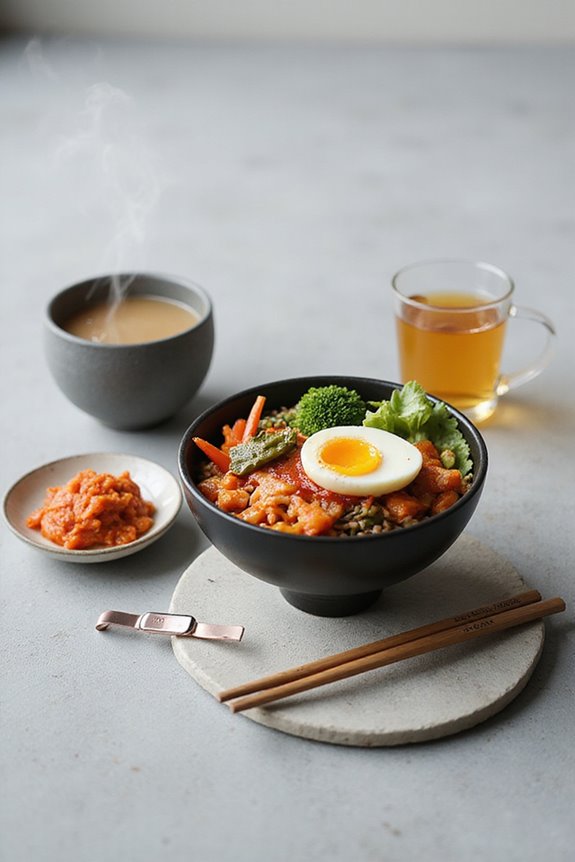
What Are Korean Healthy Eating Trends?

In Korea, healthy eating trends are shifting towards plant-based diets, with one in five South Koreans reducing meat intake. There’s an increased focus on functional nutrition, where sports supplements are gaining popularity for enhancing strength and endurance. Freshness and product safety are paramount, with stricter regulations on food labeling and additives. Additionally, we see a rise in demand for organic products, driven by health consciousness. By exploring these trends further, you’ll discover even more significant insights.
Key Takeaways
- Plant-based diets are gaining popularity, with one in five South Koreans reducing meat consumption and the vegan industry tripling in the last decade.
- There is a rising emphasis on functional nutrition, with increased demand for protein-rich sports supplements tailored to individual health needs.
- Consumer awareness of freshness and product safety is driving stricter labeling regulations and evidence requirements for functional foods.
- The market for organic and wellness products is expanding, driven by health consciousness and a desire for sustainable, hormone-free food options.
- Indulgent eating experiences are on the rise, featuring gourmet street food and high-quality culinary offerings that blend global flavors.
Growing Popularity of Plant-Based Diets
You may be interested

10 Best Korean Rice Bowl Sets for Authentic Dining at Home
September 15, 2025
10 Best Korean Stone Bowl Bibimbap Sets for a Perfectly Sizzling Meal
September 15, 2025
As more individuals seek healthier lifestyles, the popularity of plant-based diets is rapidly expanding in South Korea. Recent trends indicate that around one in five South Koreans now reduce their meat consumption, directly contributing to a tripling of the vegan industry in the past decade. Driven primarily by Millennials and Generation Z, we see increased demand for plant-based innovations, such as various vegan substitutes. Major companies, like CJ CheilJedang and Dongwon F&B, actively market these products, while smaller enterprises introduce options like vegan dumplings and kimbap. In addition, the government’s support for ethical consumption and sustainable practices aligns with the rise in vegan consumerism, illustrating a strong commitment to plant-based dietary choices in Korea’s evolving culinary landscape.
Recommended Products

QUICK AND EASY TO USE - Within minutes, easily turn any frozen fruit into a smooth "ice-cream" or "sorbet" like treat, without additional fats, sugars, or preservatives


Emphasis on Sports and Functional Nutrition
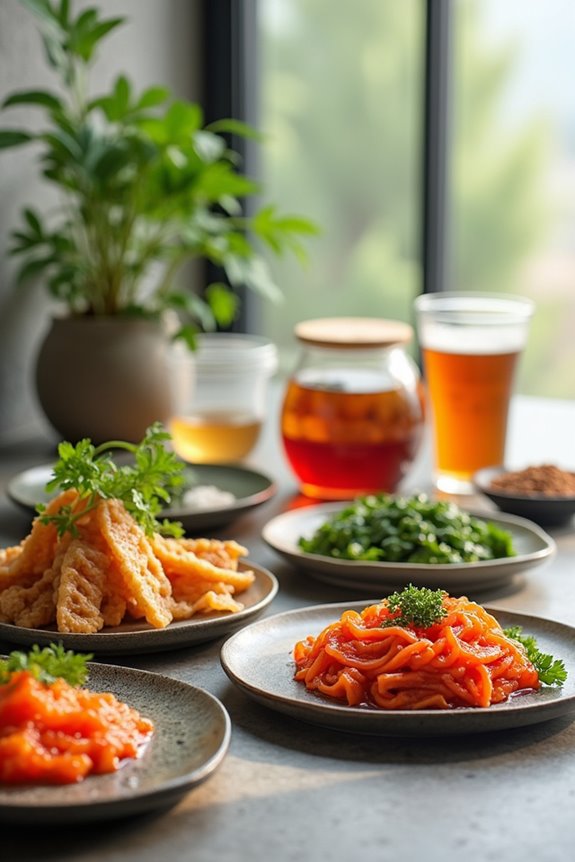
The surge in sports participation across South Korea is transforming the landscape of nutrition, with an increasing emphasis on functional foods designed to enhance physical performance. As more individuals engage in sports, there’s a rising demand for sports supplements that support strength, endurance, and recovery. We’re witnessing a shift towards nutrition personalization, where consumers seek tailored solutions based on their specific health needs, such as immunity and muscle health. This trend is supported by advances in technology, including AI and DNA-based analysis, offering precise formulations. The popularity of protein-rich products, like plant-based bars and shakes, reflects this shift, providing essential nutrients that aid muscle repair. Overall, functional nutrition is becoming integral to achieving peak athletic performance in Korea.
Recommended Products

【Superb Visual Experience & Effortless Operation】Diving into the latest 1.58'' ultra high resolution display technology, every interaction on the fitness watch is a visual delight with vibrant colors and crisp clarity. Its always on display clock makes the time conveniently visible. Experience convenience like never before with the intuitive full touch controls and the side button, switch between apps, and customize settings with seamless precision.

Waterproof Activity Tracker: JOYELE smart watch for kids boys girls supports 20 sports modes including running, cycling, basketball, etc. The kids watch can measure heart rate, steps, calories and exercise distance. Because the watch is waterproof, you don’t worry about daily hand washing or sweating during exercise.

Heart Rate and Sleep Monitoring: The Fitness Tracker monitors your heart rate automatically all day, and you can select manual mode through the App. The fitness Watch also monitors your sleep at night, providing a detailed analysis of your sleep quality (deep sleep, light sleep, awake time). It is a health advisor for women men in daily life.
Importance of Freshness and Product Safety
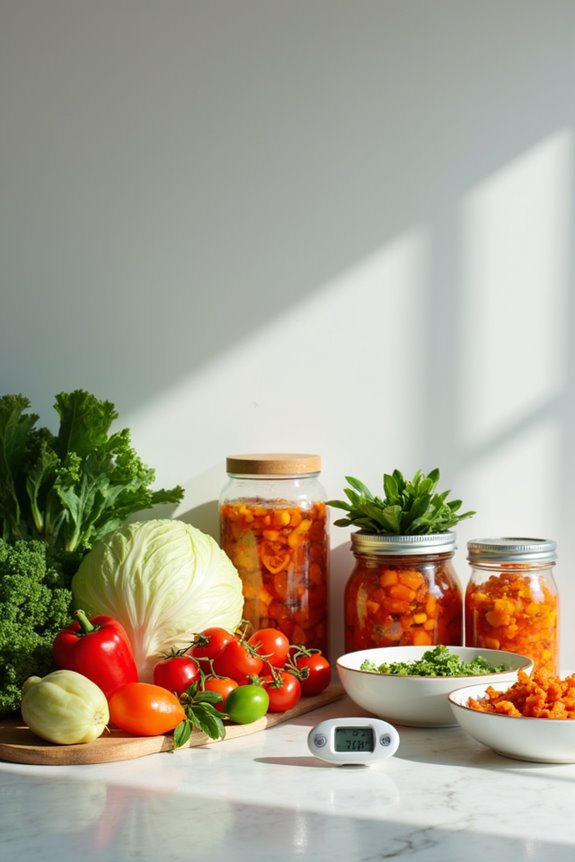
Maintaining freshness and guaranteeing product safety have become essential components of Korea’s food industry, particularly as consumer awareness grows. Recent amendments to safety regulations have expanded food labeling requirements, helping us understand the freshness standards of products we purchase. Now, foods claiming functional benefits must provide evidence from human tests to verify they’re safe for consumption, preventing misleading advertising. Stricter guidelines on food additives enhance quality, making certain ingredients are safe while preserving freshness. Additionally, the trend toward digital labeling allows us real-time access to safety information, empowering informed choices. With these measures, we can trust that the food we consume meets rigorous safety standards, aligning with our commitment to a healthier lifestyle.
Indulgent and Luxury Eating Experiences
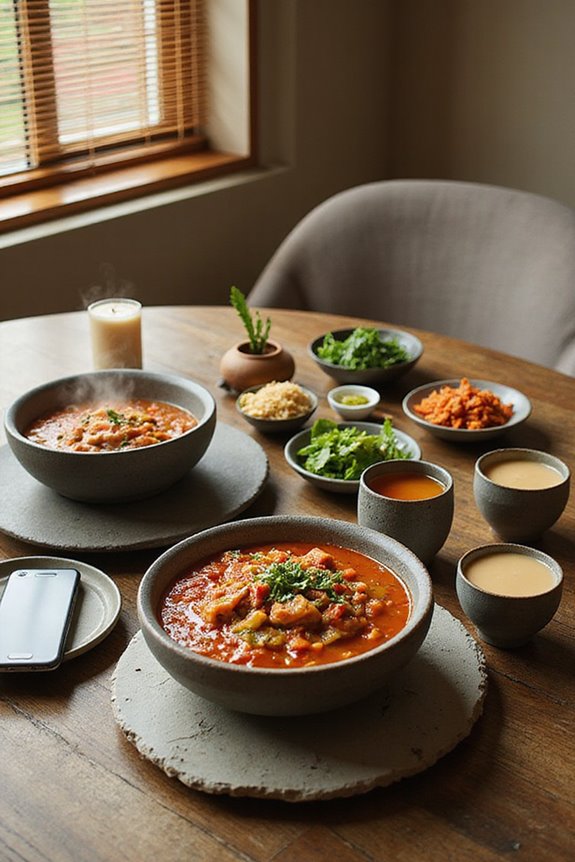
Indulgent and luxury eating experiences are increasingly gaining traction in Korea, reflecting a growing demand for high-quality culinary offerings. Many high-end restaurants now focus on gourmet street food that combines traditional flavors with premium ingredients, like hanwoo beef and rare mushrooms. This elevation of street food allows diners to experience familiar tastes in sophisticated presentations. Artistic desserts have also transformed the dining scene; creations such as matcha tiramisu and rice cakes adorned with edible gold showcase culinary craftsmanship. Meanwhile, global flavors are seamlessly blended into luxury dishes, for example, a kimchi truffle aioli that enhances traditional Korean cuisine. Overall, these trends are reshaping how we view dining, blending innovation with a commitment to quality and aesthetics.
Rise of Protein-Packed Foods
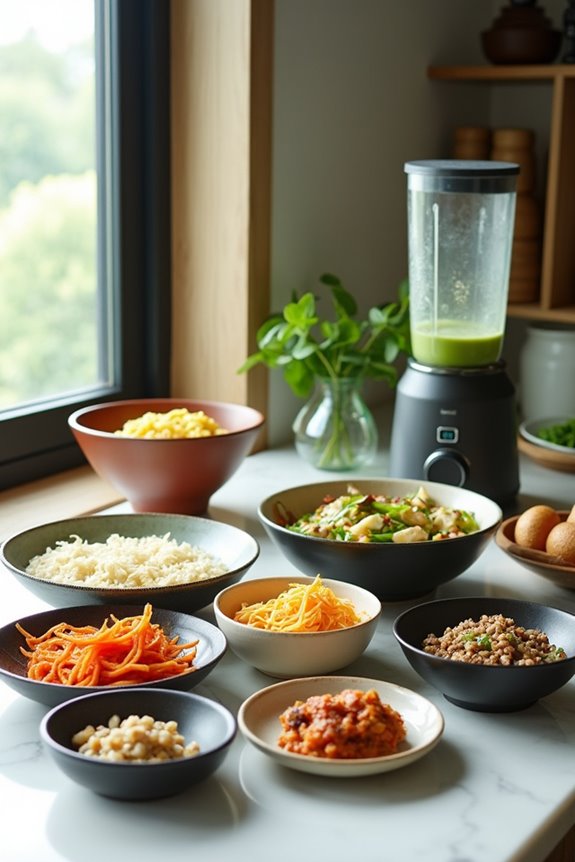
As health consciousness continues to rise among consumers, we’re witnessing a significant increase in the demand for protein-packed foods in Korea. This trend is largely driven by growing awareness of health and fitness. Many are seeking high protein options, including plant-based proteins like soy and pea, which are gaining traction. Protein innovations are advancing rapidly, leading to the development of enriched snacks, cereals, and even traditional dishes infused with added protein. Nutritional education plays a vital role in highlighting the benefits of protein, such as muscle-building and weight management. As we integrate these protein-rich choices into our diets, we cater to an appetite for tasty and nutritious foods while aligning ourselves with global food trends that emphasize health.
Recommended Products

100% LEAK-PROOF GUARANTEE - Say goodbye to messy spills with our meticulously designed protein shaker bottle. Ensure every drop stays in. The ideal gym bottle for men and women.

100% LEAK-PROOF GUARANTEE - Say goodbye to messy spills with our meticulously designed protein shaker bottle. Ensure every drop stays in. The ideal gym bottle for men and women.

100% LEAK-PROOF GUARANTEE - Say goodbye to messy spills with our meticulously designed protein shaker bottle. Ensure every drop stays in. The ideal gym bottle for men and women.
Increasing Demand for Organic and Wellness Products
The growing inclination towards protein-packed foods seamlessly complements another significant trend we’re observing in South Korea: the increasing demand for organic and wellness products. The organic food market is projected to reach between USD 3.53 and 8.27 billion by 2035, driven by health consciousness that surged post-COVID-19. Consumers are increasingly avoiding synthetic pesticides and GMOs, favoring sustainable farming practices that protect biodiversity. Government initiatives enhance consumer education about organic certification, providing assurance and promoting trust in these products. Many consumers are willing to pay premium prices for organic items, reflecting their interest in hormone-free and antibiotic-free options. This evolution in preferences signifies a cultural shift toward more mindful, health-oriented consumption habits within the South Korean market.
Recommended Products

Amazing Flavor: Infused with organic vanilla, Himalayan salt, organic coconut milk, a dash of stevia & monk fruit, our award-winning protein blend is simply delicious! Add 2 scoops to cold water for tasty shakes or mix into smoothies & snacks.

Organic hemp seed protein powder

CLEANER INGREDIENTS: 21g plant protein and 1g sugar per serving. Our protein blend consists of Organic peas, brown rice, and chia seeds, to provide a complete protein with 9 essential amino acids. It also features 6g of prebiotic + fiber for gut support.
Integration of Health Consciousness in Traditional Cuisine
While we appreciate the rich history of traditional Korean cuisine, it’s important to recognize how health consciousness is shaping its evolution. Today, we see a growing trend towards integrating healthier ingredients into classic dishes. For instance, fermented foods like kimchi and doenjang are celebrated not only for their flavor but also for their probiotic benefits. Additionally, innovative adaptations include vegan kimchi and vegetarian gimbap, providing plant-based options that maintain traditional flavors. The emphasis on balanced meals persists, with a variety of small side dishes satisfying diverse dietary needs. As we embrace these changes, traditional cooking methods, including fermenting and grilling, continue to promote nutrient retention, thereby ensuring that health-conscious dining becomes an integral part of Korean culinary culture.
Frequently Asked Questions
How Do Traditional Korean Dishes Fit Into Healthy Eating Trends?
As we explore the rich tapestry of traditional Korean dishes, we find kimchi benefits intertwining with an array of fermented foods, all nurturing our health through unique flavors that elevate our well-being and culinary experience.
What Role Do Meal Delivery Services Play in Korean Healthy Eating?
Meal delivery services play an essential role in our healthy eating habits. They simplify meal prep and offer diet plans tailored to our needs, making it easier for us to enjoy nutritious meals without the hassle.
Are There Any Specific Healthy Cooking Methods Popular in Korean Cuisine?
When it comes to Korean cooking methods, we often find that using steaming techniques and fermentation methods really brings out the best flavors, making dishes healthier while preserving nutrients. It’s about striking that perfect balance!
How Can I Find Organic Ingredients in Korea?
To find organic ingredients in Korea, we can explore local organic markets or enhance convenience through online shopping. Both options offer a variety of certified organic products to support our healthy eating choices.
What Are Popular Korean Superfoods Promoting Health Benefits?
Wondering what superfoods can boost our health? Let’s explore kimchi benefits, packed with probiotics, and ginseng properties, known for enhancing energy and immunity—delicious ways to support our well-being while enjoying Korean cuisine together!