As an Amazon Associate, we earn from qualifying purchases. Some links may be affiliate links at no extra cost to you. Although our opinions are based on curated research, we haven't used these products. Articles generated with AI.
What Are Korean Language Regional Dialects?

Korean language regional dialects exhibit significant diversity, shaped by cultural and historical influences. The Gyeonggi dialect serves as the standard for formal communication, while the Gyeongsang dialect, found in southeast regions like Busan, is known for its brisk intonation. Jeolla dialect features unique verb endings and regional vocabulary that enhance its expressiveness. Additionally, the Jeju dialect contains over 75% unique vocabulary. There are also distinct North Korean dialects that maintain unique phonetic characteristics. There’s much more to discover about these intriguing variations.
Key Takeaways
- Korean language includes various regional dialects, each reflecting local culture and historical influences.
- Gyeonggi dialect serves as the standard form for formal communication in South Korea.
- Central dialects from Chungcheong province are characterized by gentler tones and unique expressions.
- The Gyeongsang dialect exhibits brisk intonation and distinct phonetic features, such as pitch accents.
- Jeju dialect is notable for its unique vocabulary and sounds, playing an essential role in preserving local identity.
Overview of Korean Language Dialects
You may be interested
How To Learn Korean Alphabet?
October 3, 2025
What Are Korean Calligraphy Practice Pads?
October 3, 2025

What Are Korean Language Business Applications?
October 3, 2025
As we explore the Korean language, it’s important to recognize that it encompasses a variety of regional dialects, each offering distinct features that contribute to its rich linguistic landscape. This dialect diversity reflects the cultural significance of different regions, with each dialect preserving unique historical influences. For example, the Gyeonggi dialect serves as the standard for formal communication in South Korea, while the Jeju dialect stands out due to its substantial differences in vocabulary and pronunciation. In addition, some dialects, like Gyeongsang, have unique intonation patterns, making them easily identifiable. Although mutual intelligibility can vary, Koreans often understand each other across dialects. Overall, these regional variations enhance the language’s complexity and signify the deep-rooted cultural identities within Korea.
Recommended Products

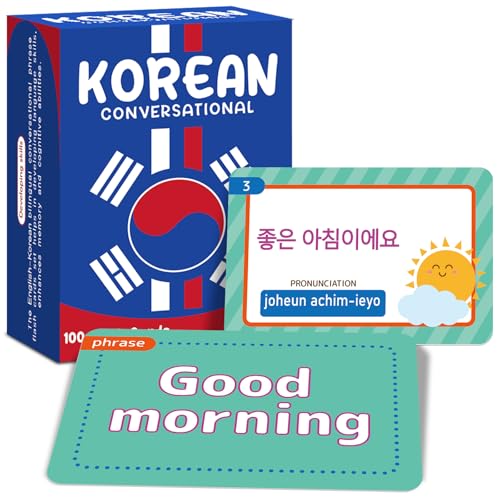
Package includes: This set contains a total of 100 quality Korean flash cards—50 vocabulary cards and 50 daily conversation phrase cards. Each Korean conversational phrase flash card features English on one side, Korean on the other, with pronunciation and fun cartoon illustrations to make learning more engaging. These cards are neatly packed in a durable, reusable storage box, making them easy to store and perfect for long-term use.

🎉 Comprehensive 3-Pack Set This set includes three printed decks of Korean Basic Conversation Flashcards specially designed for beginners.
Central Dialects
The Central dialects of Korea, primarily spoken in the Chungcheong province, play an essential role in the linguistic landscape of the country. Characterized by a gentler tone and slower speech patterns, these dialects exhibit significant sociolinguistic nuances that reflect the local culture. For instance, speakers often use the expression ‘뭐여 (mwoyeo)’ to convey various emotions, while softer pronunciations distinguish it from stronger southern dialects. The use of unique verb endings, such as ‘거라’ instead of the standard ‘겠어요,’ showcases its lexical distinctiveness. Additionally, this dialect serves as a linguistic bridge between the northern standard and southern dialects. Overall, Chungcheong characteristics promote a sense of friendliness, contributing to the rich tapestry of Korea’s regional language diversity.
Recommended Products

✅ Comprehensive – Includes all Korean Hangul consonants and vowels, plus 113 example words and a full Hangul table sheet, providing a structured learning experience.
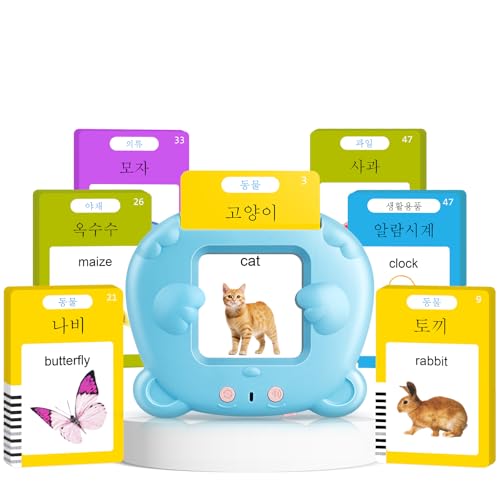
【Early Development Learning Toy】This set of bilingual flash cards (Korean & English) includes a card reader and 255 double-sided cards, covering 510 sight words across animals, transportation, food, fruits, and jobs—ideal as talking flash cards for toddlers. The colorful bilingual illustrations and realistic simulated sounds (e.g., Korean animal calls, English object sounds) grab kids’ attention instantly, while the educational design of talking flash cards boosts phonological abilities in both languages, making it a great speech therapy & sensory toy for little learners.

Gyeongsang Dialect

While many may recognize the Gyeongsang dialect for its distinctive phonetic and grammatical features, it also holds a significant cultural position in southeastern South Korea. Stretching across cities like Busan and Daegu, the Gyeongsang dialect embodies a strong Gyeongsang identity, shaped by its historical isolation from Seoul’s influence. This dialect is noted for its unique phonetic features, such as retaining a pitch accent and dropping vowels, contributing to its brisk intonation, often perceived as aggressive by outsiders. Additionally, cultural stereotypes link its speakers to notions of straight-talking masculinity or endearing cuteness, based on their lexical uniqueness. Despite pressures from modernization, Gyeongsang remains a dominant dialect, preserving regional pride and identity amid evolving language dynamics.
Recommended Products


Designed by Korean Teachers - With years of teaching experience, we have carefully selected 100 essential phrases for Korean beginners, making it easy for them to start their learning journey. This set of flashcards is simple and fun, helping beginners develop a positive attitude toward Korean and boosting their confidence in learning.

Learn Korean - The Language Workbook for Beginners: An Easy, Step-by-Step Study Book and Writing Practice Guide for Learning How to Read, Write, and ... FlashCard Pages): 1 (Korean Language Books)
Jeolla Dialect
Though often overshadowed by other regional dialects, the Jeolla dialect showcases a rich tapestry of linguistic features that both reflect and shape the identity of its speakers in South Jeolla Province. Importantly, Jeolla pronunciation is characterized by unique verb endings, like ‘burida,’ which emphasize statements. Additionally, the use of the suffix ‘-ing’ (잉) softens suggestions and questions. Other features include a distinct vowel harmony that affects intonation, altering sounds such as ‘ㅏ’ to ‘ㅐ.’ Moreover, Jeolla expressions often introduce region-specific vocabulary, like ‘geoshigi,’ enhancing cultural connection. The interplay of these elements results in a melodic and expressive dialect, which, while distinct, still maintains mutual intelligibility with Standard Korean.
Recommended Products


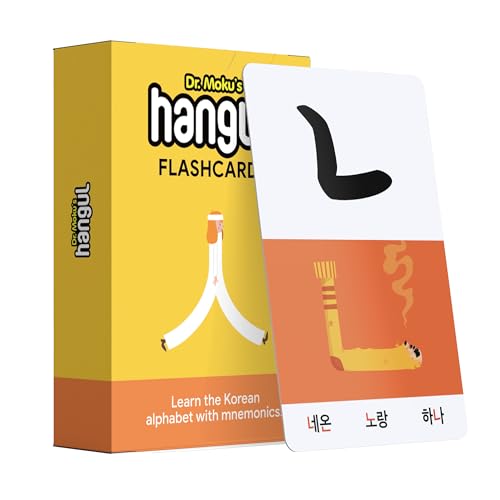
Ideal for visual learners, complete beginners and struggling students! Mnemonics are a proven learning technique which avoid boring rote memorization.
Jeju Dialect

Shifting our focus to the Jeju dialect, we encounter a unique linguistic entity that is sometimes classified separately from standard Korean. Spoken on Jeju Island, this dialect showcases distinct features, including a conservative vowel inventory that encompasses sounds lost in other regions. Jeju vocabulary diverges considerably from standard Korean, with over 75% of its words being unique, reflecting local culture and history. Additionally, Jeju pronunciation includes distinct vowel sounds like the arae-a, enriching its uniqueness. The preservation of the Jeju dialect is crucial for maintaining Jeju culture and identity, as efforts continue to sustain this valuable aspect of Korea’s linguistic diversity. Overall, understanding Jeju dialect enhances cultural appreciation and tourism experiences on the island.
North Korean Dialects and Munhwaŏ
North Korean dialects, characterized by their distinct phonetic features and limited external influences, offer a fascinating glimpse into the linguistic landscape of the region. The Hamgyong dialect, for instance, showcases unique characteristics, such as nasalized vowels and distinctive verb endings, creating pronounced variations in speech patterns. Meanwhile, Munhwaŏ plays a significant role in North Korea by standardizing communication across the country, fostering a sense of unity despite regional differences. This standard language, taught in schools and widely used in media, aims to bridge the gap between various dialects. Although Hamgyong and other regional dialects maintain their unique lexicons, the existence of Munhwaŏ guarantees that essential communication remains clear and consistent across North Korea.
Recommended Products

COMPLETE KOREAN LEARNING SET – Master Hangul with 40 illustrated flash cards and a full alphabet chart. Each card includes stroke order, pronunciation, and example words for easy learning at home, in classrooms, or for self-study.

Learn Korean quickly and easily
Frequently Asked Questions
How Do Dialects Influence Korean Pop Culture?
Like colors on a painter’s palette, dialect representation enhances Korean pop culture, weaving authenticity into songs, films, and shows. By showcasing diverse voices, we connect deeply with our roots and celebrate our rich cultural tapestry.
Are There Any Resources to Learn Regional Dialects?
When it comes to dialect learning, we’ve found various resources available, like online courses and media. Exploring these options helps us understand regional nuances and enhances our overall Korean language skills. Let’s immerse ourselves together!
What Impact Does Dialect Have on Social Identity?
Dialect considerably impacts social identity by fostering social cohesion and contributing to our identity formation. When we speak our dialect, we express our unique cultural heritage and strengthen our connection to our community and its values.
Can Dialects Change Over Time?
Yes, dialects can change over time. We’ve all seen how dialect evolution happens through language shifts, influenced by geography, culture, and media, leading to new vocabulary and phonological features that blur traditional boundaries.
Are Dialects Used in Formal Education Settings?
In formal education, dialect usage is limited. We emphasize standard Korean for consistency and mutual understanding, often neglecting regional dialects. While dialects enrich culture, they’re rarely integrated into the curriculum or teaching methods.