As an Amazon Associate, we earn from qualifying purchases. Some links may be affiliate links at no extra cost to you. Although our opinions are based on curated research, we haven't used these products. Articles generated with AI.

Which Korean Culture Customs Are Important?

Korean culture encompasses significant customs, including family gatherings for Jesa ceremonies, which honor ancestors and strengthen familial bonds. Major holidays like Seollal and Chuseok highlight the importance of ancestral respect with special foods and rituals. Traditional attire, such as hanbok, symbolizes cultural identity, while Confucian values shape family dynamics and social etiquette, emphasizing respect for elders. Additionally, greetings and body language reflect societal norms. Learning more about these customs enriches our understanding of Korea’s cultural heritage.
Key Takeaways
- Family gatherings and ancestral rites strengthen familial bonds and honor lineage through shared rituals and traditional foods.
- Major holidays like Seollal and Chuseok involve special meals and customs that connect to heritage and community.
- Wearing traditional attire, such as hanbok, reflects cultural identity and symbolizes social status and roles within society.
- Confucian values emphasize respect for elders, family hierarchy, and the importance of education for social mobility and success.
- Social etiquette, including greetings and body language, showcases respect and deference towards others, especially seniors in various settings.
Family Gatherings and Ancestral Rites
You may be interested
How To Buy K-Pop Merchandise?
October 16, 2025
How To Experience Korean Pop Culture?
October 16, 2025
What Are Korean Cultural Differences?
October 16, 2025
Family gatherings and ancestral rites hold significant importance in Korean culture, as they not only strengthen relationships among family members but also honor the lineage and traditions passed down through generations. We recognize that family roles are essential during these events, where each member plays a specific part, contributing to the overall ritual significance. For instance, women often prepare the traditional foods served during Jesa ceremonies, such as rice and fruits, while older relatives guide the rituals. These gatherings serve to reinforce respect for elders, highlighting the concept of filial piety. In addition, as we gather to honor our ancestors, we cultivate a deeper understanding of our heritage, fostering connection and continuity within our families through shared experiences and values.
Celebration of Major Holidays
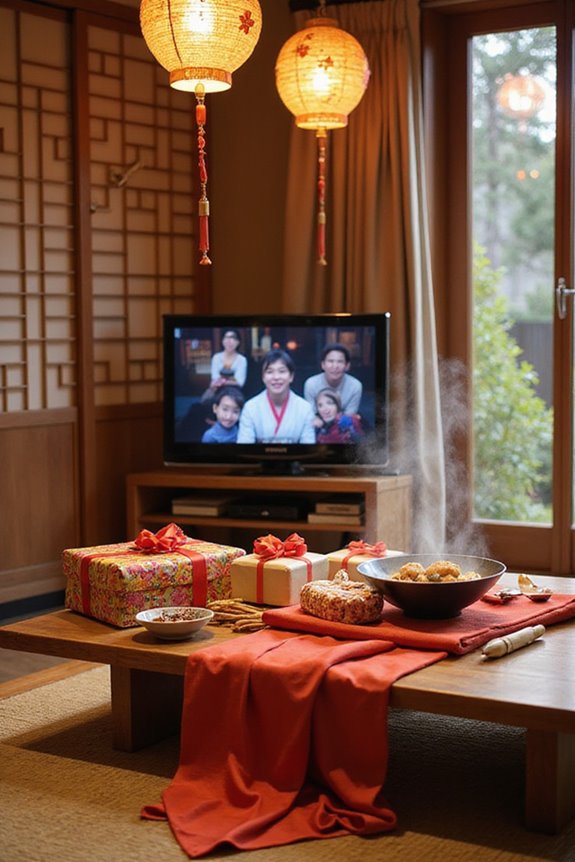
Celebrating major holidays in Korean culture offers an enriching glimpse into various customs and practices that bond communities and families across generations. Among these, the Lunar New Year, known as Seollal, stands out with its special meals, like tteokguk, as families reunite to honor their ancestors. The Harvest Festival, or Chuseok, allows families to pay respects to their forebears while enjoying traditional foods such as songpyeon. The Spring Festival, celebrated on the 5th day of the 5th month, promotes community bonding through activities like ssireum. Additionally, the Full Moon Celebration encourages rituals for good fortune, while Baby Celebrations, such as Dol, highlight the joy of welcoming new life through meaningful traditions and family gatherings.
Recommended Products
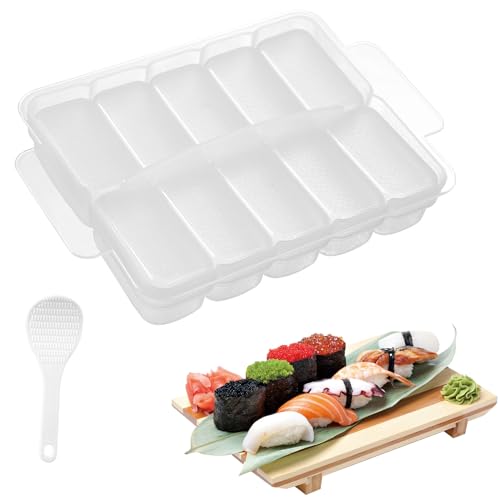
🍣 【Creative Rice Sushi Mold】Invite the creative sushi maker kit into your kitchen, the sushi mold is made of 100% food grade material, safety. You'll get 1 pc 10 in 1 rectangular sushi maker with a small rice paddle.
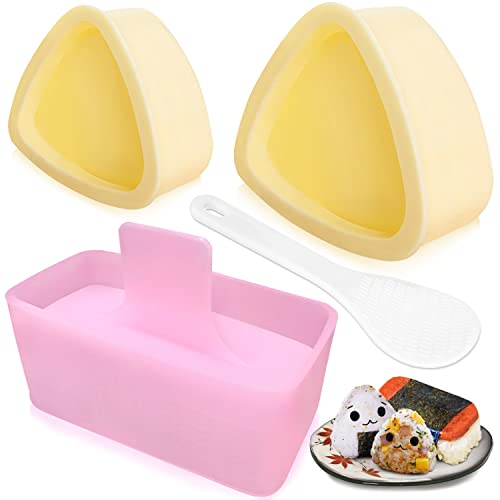
【3 Kit of Sushi Maker Molds Combination】: You will receive 2 triangle rice molds(1 large + 1 small), 1 musubi maker press mold and 1 rice ladle in the package. A good kitchen tool for you to make different shape Japanese sushi and arrange them on sushi plates to entertain your family and friends.

Importance of Traditional Attire
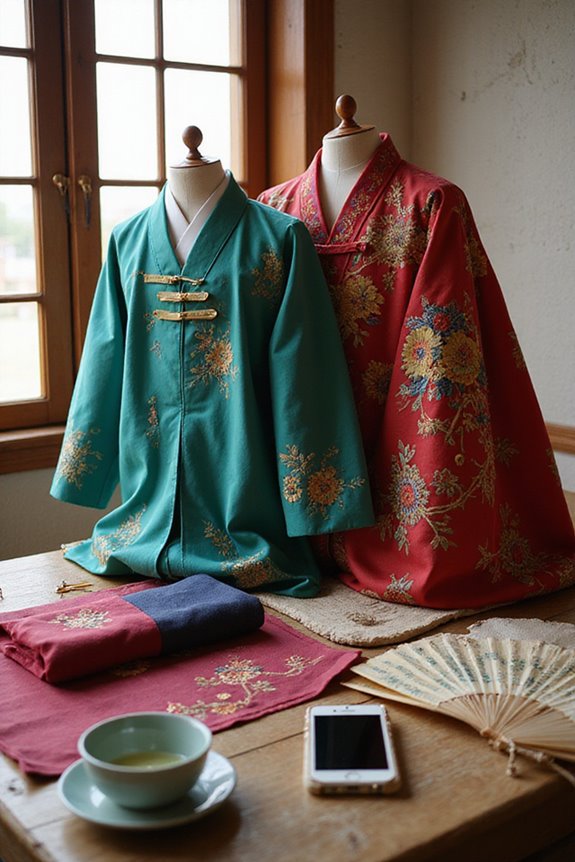
While many aspects of Korean culture define its rich heritage, traditional attire, particularly hanbok, plays an essential role in expressing identity and social values. Hanbok’s historical origins trace back to the Three Kingdoms period and symbolize our cultural identity. Its colors and embroidery not only indicate social status, but also reflect the wearer’s role within society. For example, brighter colors were often reserved for the aristocracy during the Joseon Dynasty. The design elements of hanbok, including the supportive *jeogori* and flowing *chima*, are crafted for ease of movement, showcasing practicality alongside aesthetic appeal. Today, even though hanbok is primarily worn for special occasions, efforts to revive its everyday use highlight its continued significance and adaptability in modern Korean life.
Recommended Products

Complete 2-Piece Set: Includes long-sleeve top*1,full-length skirt*1. Made of smooth polyester fabric.
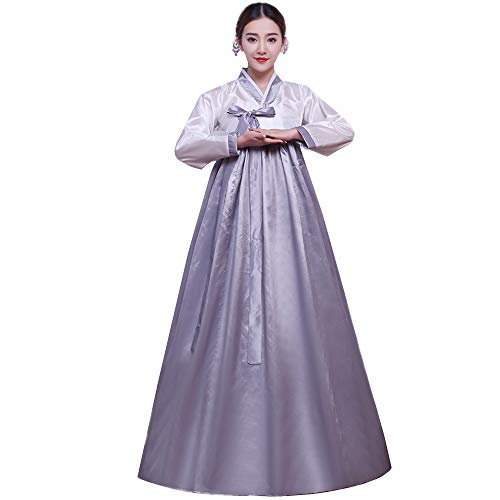
Material: Polyester; Content: 1*top + 1*dress , Not included: HairBand and bustle
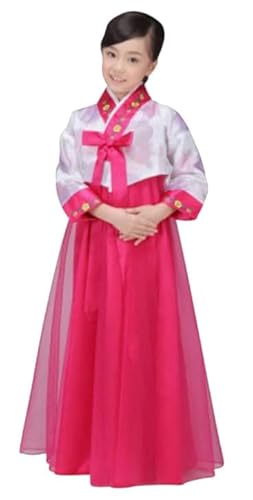
3 Piece Set - Comes with Jacket, Dress and Hair Flower Clip. This girl's Korean costume features a stunning design. Pretty and stylish; This Korean dress for girls features charming and beautiful designs that are perfect for any girl. A beautiful matching set.
Influence of Confucian Values
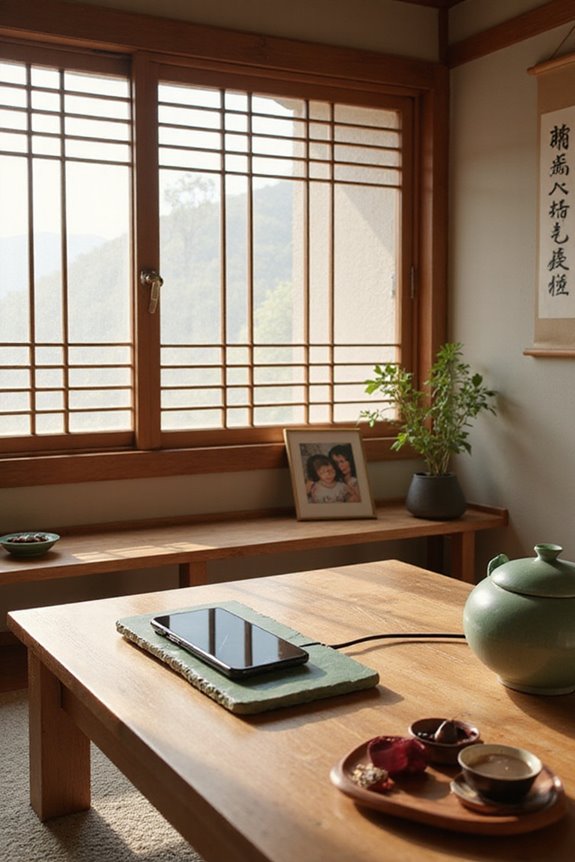
Confucian values have greatly shaped various aspects of Korean society, influencing everything from family dynamics to educational priorities. Central to these values is the concept of family hierarchy, which emphasizes respect for elders and the extended family unit. In daily life, we often see this reflected in familial interactions and rituals honoring ancestors. Furthermore, educational emphasis aligns with Confucian teachings, promoting academic achievement as a pathway to success. We prioritize education, believing that merit-based advancement leads to social mobility and better career opportunities. While modern influences have begun to shift some dynamics, the deep-rooted respect for authority and the importance of educational excellence continue to guide our society, revealing Confucianism’s lasting impact on our cultural identity.
Politeness and Social Etiquette
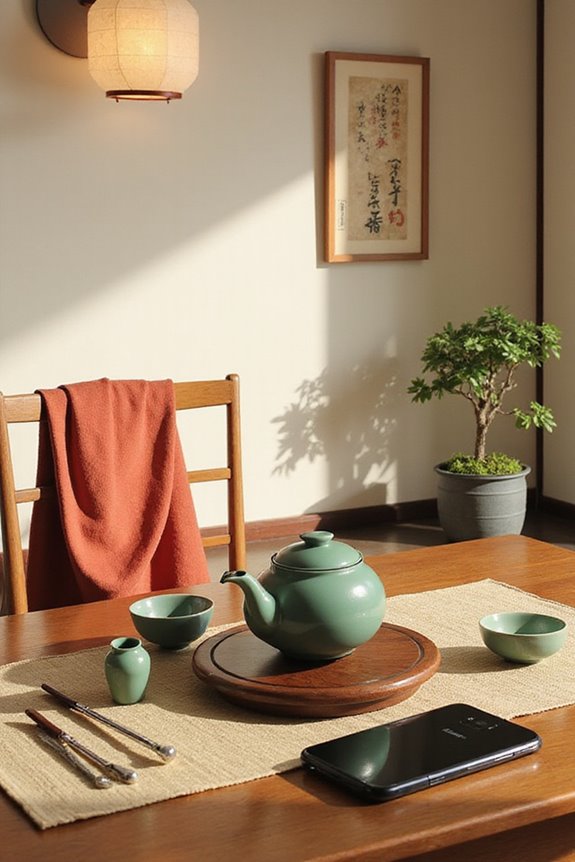
Understanding politeness and social etiquette is essential for maneuvering Korean culture, as these customs are deeply ingrained in everyday interactions. Greeting customs, like bowing, signify respect, with the depth of the bow indicating the level of formality. Handshakes are common but lack the two-handed grip found elsewhere. When we exchange business cards, doing so with both hands shows deference. Body language also plays a role; for instance, it’s considered polite to sit upright and not cross our legs in front of seniors. In social settings, the most senior person pours drinks first, and we must turn away when drinking in the presence of elders, demonstrating respect and adherence to cultural norms when engaging with others.
Traditional Arts and Cultural Heritage
Korean traditional arts, which have evolved over thousands of years, reflect a rich cultural heritage that intertwines various historical influences and societal values. From prehistoric pottery to intricate Buddhist sculptures, these artistic expressions are rooted in early Korean culture. Various artistic influences, including Confucian values and shamanistic elements, have shaped traditional crafts like jogakbo and maedeup, highlighting the importance of resourcefulness. Each art form, whether it’s calligraphy or textile arts, possesses unique characteristics that reveal cultural significance. The Goryeo and Joseon dynasties contributed extensively to painting and architecture, embodying Korea’s aesthetic standards. As we examine these traditions, we gain insight into the depth and complexity of Korean cultural heritage, fostering appreciation for these time-honored practices and their ongoing relevance.
Recommended Products

🖌【Premium Chinese Calligraphy Brushes】 Experience the art of Chinese calligraphy with our exquisite SEAMEW brush set. This set includes 12 high-quality brushes, meticulously crafted to provide precise and smooth brush strokes. Embrace the elegance of traditional Chinese calligraphy while indulging in the beauty of American craftsmanship.
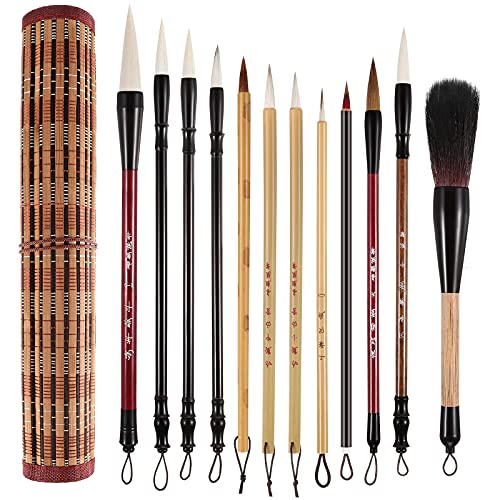
Nice brushes set: you will receive 12 pieces Chinese calligraphy brushes in total, which includes 1 piece artificial bear hair brush, 3 pieces wool hair brushes, 2 pieces weasel hair brushes, 2 pieces brushes of goat and wolf hair, 2 pieces rabbit hair brushes, 2 pieces regular script Baiyun brushes in small and medium sizes, together with 1 piece roll-up brush holder, enough to meet your multiple using needs and convenient for your daily storage

[5 PENS SET] It included 5 brush pens(Extra Fine/ Fine/ Medium/ Large/ Medium Brush). Brush pen with an easy-to-hold, rubber grip that is comfortable and prevents slipping. Designed to mimic the look of traditional, bamboo brushes.
Modern Adaptations and Trends
As contemporary society evolves, we’re witnessing significant modern adaptations of traditional Korean cultural elements, particularly in fields like music, beauty, and digital content. The K-pop evolution illustrates how genres blend global influences with local traditions, fostering massive international fandoms. K-beauty trends, marked by innovative skin routines and eco-friendly products, have set global standards and showcased Korea’s emphasis on natural ingredients for skincare. Digital engagement has further amplified these trends, as platforms like TikTok popularize K-dramas and Korean skincare. Additionally, newtro aesthetics blend nostalgia with modern design, influencing fashion and interior decor. This hybrid culture not only reflects Korea’s heritage but also appeals to younger audiences, bridging traditional customs with contemporary lifestyles in innovative ways.
Recommended Products

HYOBIDAM FERMENTED SKINCARE SET - Each set comes with Fermented Toner (5.07fl oz & 0.67fl oz), Fermented Emulsion (5.07fl oz & 0.67fl oz), Fermented Essence (0.17fl oz), Fermented Cream (0.34fl oz), Fermented Eye Cream (0.17fl oz), Anti-aging Pack (1.35 fl oz).

All-in-One Glass Glow Wand: Achieve your glass skin goals with innovative technology. All-In-One wand offers Enhanced Absorption, Radiance, Elasticity, Pore Care. Perfect for all skin types and concerns, it helps you get clean and glowing glass skin.

[Radiant Glow & Even Skin Tone] A high-performance formula that promotes a natural glow and even skin tone. The toner, serum, and cream work together to support healthy, luminous skin.
Role of Food in Social Interactions
Food plays a pivotal role in shaping social interactions within Korean culture, serving as a medium through which relationships are forged and deepened. Communal dining is central to these interactions, promoting inclusivity by placing various dishes at the center for shared enjoyment. This act of sharing reinforces social bonds, making meals not just about nutrition, but connection. Respect for elders governs meal practices, ensuring they are served first, which highlights the food symbolism of hierarchy and tradition. Even verbal expressions of gratitude, such as “Jal-mukkes-seub-nida”, serve to enhance the social atmosphere. Overall, these customs transform dining into a structured ritual that fosters trust and nurtures the connections among family, friends, and colleagues, ensuring that food remains a pivotal aspect of Korean social life.
Recommended Products
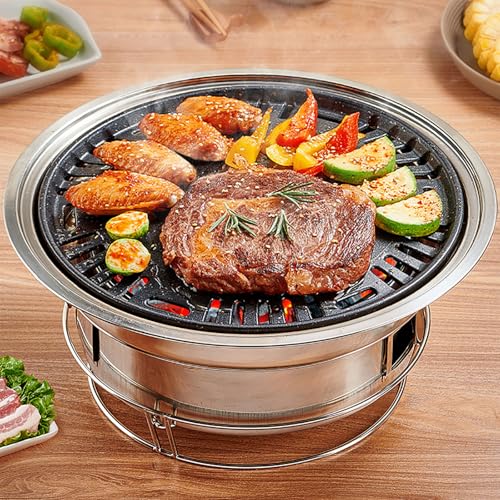
[ Multi-functional Small BBQ Grill ]: The small charcoal grill includes grill body, grill pan, grill mesh, charcoal ash bowl, perforated plate, anti-scald handle and stand. The korean bbq grill is easy to use after reading the user manual. You can use the non-stick korean bbq grill Pan to start kbbq, or use the grill mesh to make Japanese bbq.

Aburi Grill Pan: Enjoy your favorite grilled foods indoors or out anytime you want with the help of our stove top grill
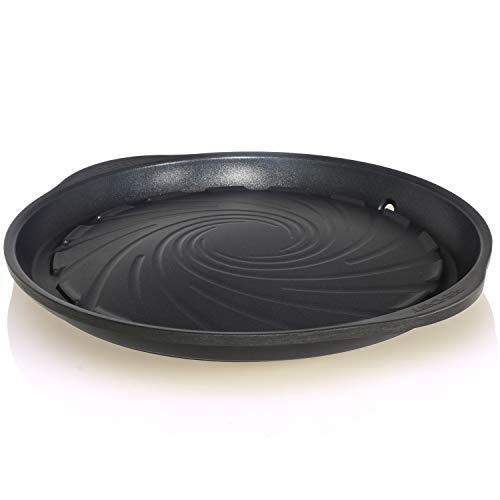
Premium Construction: Made of cast aluminum for even heat distribution and durability
Frequently Asked Questions
How Do Arranged Marriages Work in Korean Culture?
Imagine a beautifully orchestrated dance; that’s how arranged marriages unfold in Korean culture. Matchmakers play pivotal roles, ensuring compatibility, while marriage ceremonies embrace rich traditions, weaving families together for a future rooted in respect and commitment.
What Are the Key Aspects of Korean Folk Games?
We love the key aspects of Korean folk games such as Yut-nori, where strategy shines, and Jegichagi, which showcases our physical agility. These games bring us together, bridging generations and fostering community spirit.
How Is Elder Respect Demonstrated in Daily Life?
We’ve found that elder respect in daily life is often shown through bowing etiquette and adhering to familial hierarchy. It’s fascinating how these practices enhance our connections and foster gratitude across generations within our communities.
What Role Does Education Play in Korean Social Hierarchy?
Education plays an essential role in Korean social hierarchy, doesn’t it? Through academic achievement, we can see how it shapes paths for social mobility, influencing our future, and maintaining societal respect for individuals’ success and honor.
How Do Traditional Arts Influence Modern Korean Media?
While traditional crafts reflect our rich heritage, modern Korean media innovates by incorporating these timeless elements. By blending cultural preservation with contemporary storytelling, we create a fascinating dialogue that honors our past while engaging with a global audience.