As an Amazon Associate, we earn from qualifying purchases. Some links may be affiliate links at no extra cost to you. Although our opinions are based on curated research, we haven't used these products. Articles generated with AI.

What Are Korean Traditional Items?

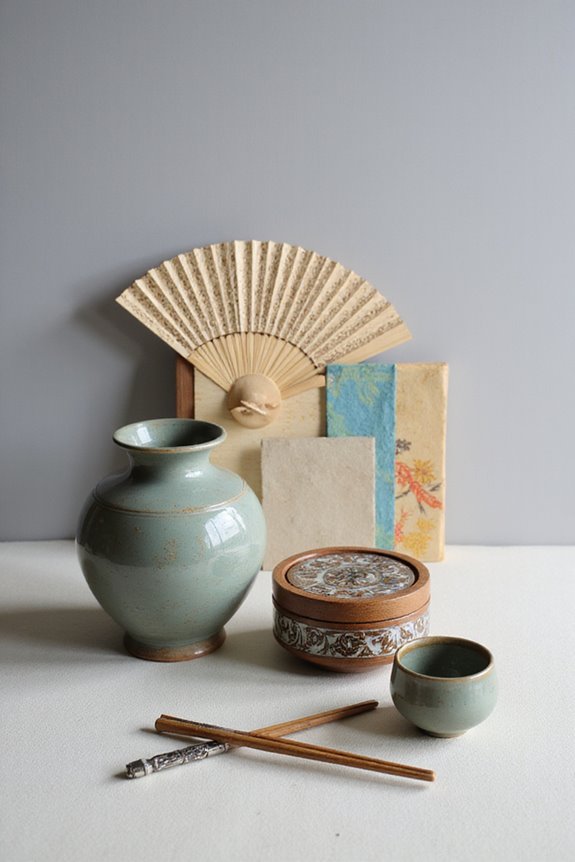
Korean traditional items showcase a rich cultural heritage, reflecting our history and artistry. Key elements include the hanbok, a formal dress characterized by vibrant colors, and norigae, ornamental pendants symbolizing fortune. We also find exquisite mother of pearl jewelry boxes, renowned for their intricate craftsmanship. Traditional hats, or gat, signify social status, while games like Yutnori highlight community values. These items not only represent tradition but also connect us to the past, revealing more about our customs and identity.
Key Takeaways
- Traditional Korean clothing, known as hanbok, features designs that signify social hierarchy and cultural values, consisting of jeogori and chima or baji.
- Norigae are ornamental pendants worn with hanbok, symbolizing good fortune and protection, crafted from materials like silk, gold, and jade.
- Mother of pearl jewelry boxes showcase Korea’s artistic heritage, using the najeonchilgi technique to embed shells onto lacquered wood with traditional motifs.
- Traditional hats called gat represent social status and identity, intricately woven from horsehair and bamboo, originally worn by noblemen and scholars.
- Korean traditional games, such as Yutnori and Ssireum, reflect community values and historical significance, promoting teamwork, physical skill, and social interaction.
Traditional Korean Clothing: Hanbok
You may be interested
How To Buy K-Pop Merchandise?
June 22, 2025
How To Experience Korean Pop Culture?
June 22, 2025
As we explore the traditional Korean clothing known as hanbok, it’s essential to understand its historical context and significance. Hanbok has a rich hanbok history, originating during the Three Kingdoms period and evolving considerably through the Goryeo and Joseon Dynasties. Its design principles reflect Confucian ideologies, with color schemes and styles symbolizing social hierarchy and seasonal changes. The attire comprises a jeogori and chima for women, or jeogori and baji for men, creating an elegant silhouette. Each detail in hanbok carries hanbok symbolism, representing cultural values such as respect and joy. Although hanbok is primarily worn during ceremonies today, ongoing government initiatives promote its revitalization, encouraging pride in this essential aspect of Korean identity.
Recommended Products

Complete 2-Piece Set: Includes long-sleeve top*1,full-length skirt*1. Made of smooth polyester fabric.


Norigae: Ornamental Pendants
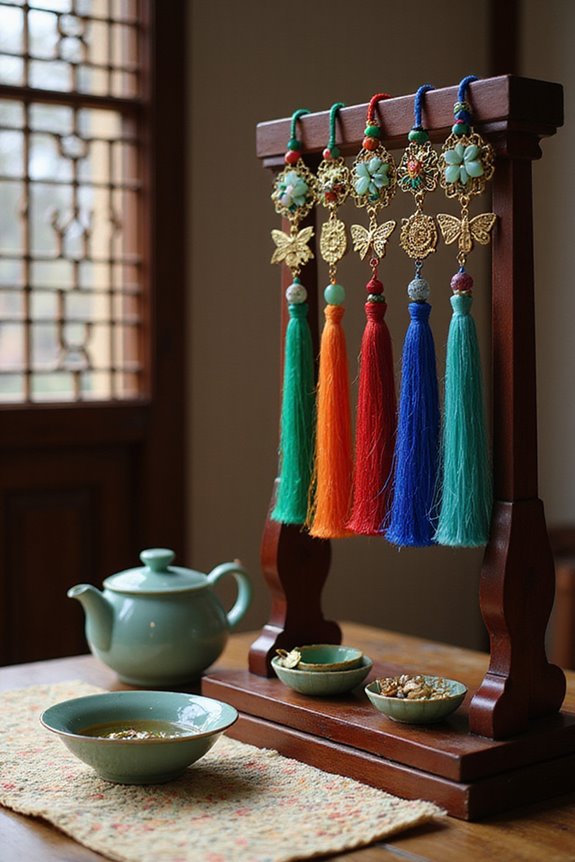
Norigae, a traditional Korean ornamental pendant, plays an essential role in the cultural landscape of Korean attire, particularly as an accessory to the hanbok. Typically attached to the goreum of a jeogori or worn on a chima, norigae symbolize good fortune, encompassing wishes for wealth, health, and protection against evil spirits. Crafted from diverse materials such as gold, silver, jade, and fine silk, their intricate designs reflect both artistry and the wearer’s status. The pendants vary in size and complexity, often linking to age or occasion—larger pieces for celebrations and smaller ones for everyday wear. As heirlooms, norigae reinforce family heritage, showcasing a blend of tradition, craftsmanship, and cultural significance that persists today.
Recommended Products
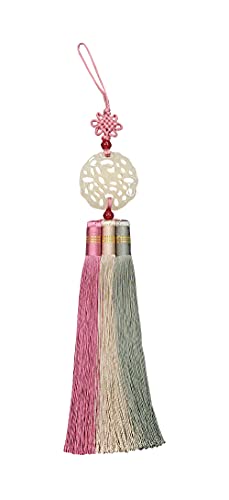

TRADITIONAL KOREAN ORNAMENT - 8.5-inch norigae (노리개) with butterfly charm and elegant hand-knotted tassel, a beloved hanbok accessory reimagined for today

TRADITIONAL KOREAN GOOD LUCK CHARM - 14.6-inch norigae featuring embroidered peony, cranes, deer, and turtles for complete good fortune
Mother of Pearl Jewelry Boxes
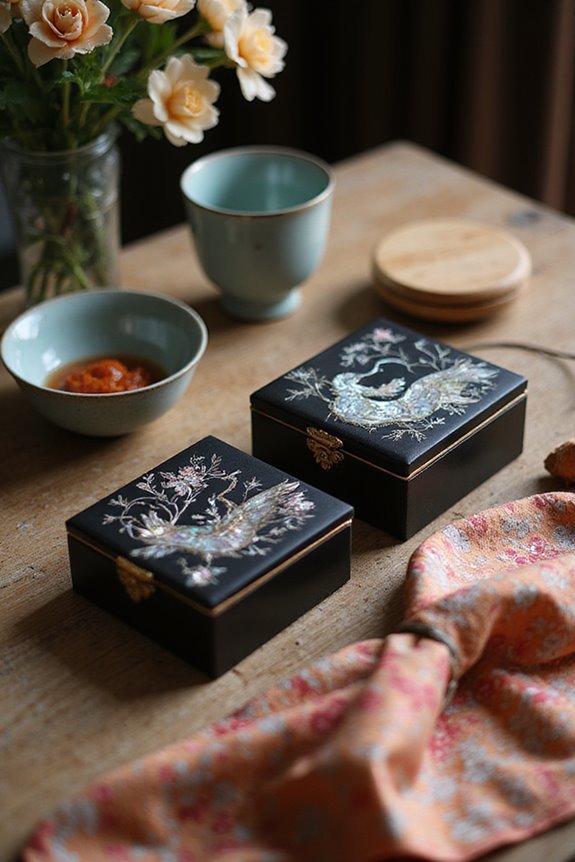
Mother of pearl jewelry boxes represent a significant aspect of Korea’s artistic heritage, showcasing a blend of historical craftsmanship and cultural symbolism. Originating from ancient Chinese techniques, their unique evolution in Korea highlights mother of pearl artistry, particularly during the Goryeo dynasty. These boxes, often adorned with traditional motifs such as cranes and peonies, carry deep cultural significance, acting as familial heirlooms passed down through generations. The precise najeonchilgi technique involves embedding intricate shell pieces onto lacquered wood, resulting in a radiant effect. While their popularity surged in the 16th century, a decline occurred during Japanese colonization. Despite challenges, modern pieces have adapted to current trends, attracting collectors and tourists, revitalizing interest in this traditional craft.
Recommended Products

PREMIUM CRAFTSMANSHIP: This wooden jewelry box is 100% handmade. It is handcrafted by the Certified Korean Cultural Properties Craftsman, and each product goes through special screening process as well as strict quality verification to bring you nothing but the very best. It is a great Korean artwork that you can keep for a lifetime. You can place it anywhere in your home like living room, guest room, bedroom or even your office. It will brighten up the space.

Beautiful Jewelry Box Organizer: February Mountain presents its handcrafted, large seashell inlay jewelry box, complete with a mirror, intricate butterfly handles, and a glossy lacquer finish.

MOTHER OF PEARL – The subtle Wooden Box is intricately lacquered and inlaid with Mother of Pearl. It is a natural blend of minerals produced by Sea Shells just like the Pearls. So, the finish of the box is 100% natural similar to a Pearl and can last decades. The chic and glossy box compliments your exquisite jewelry very well.
Traditional Korean Hats (Gat)
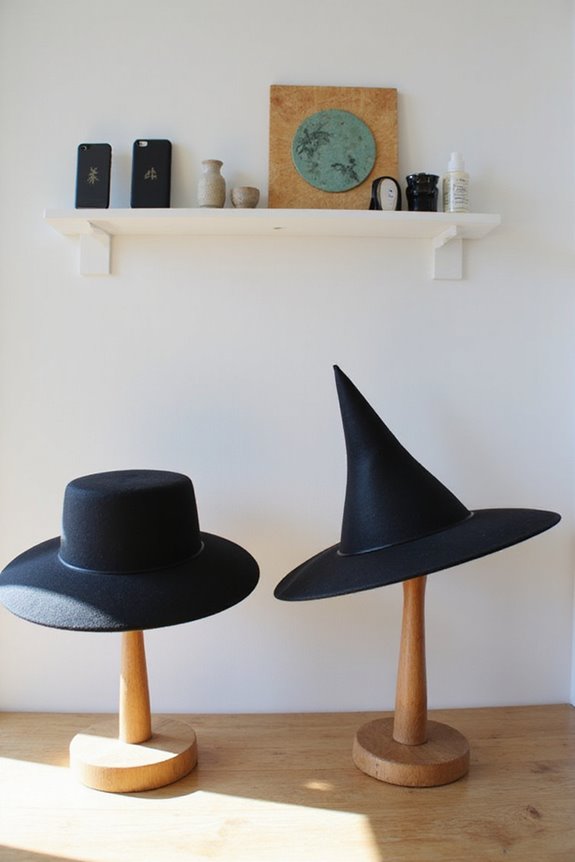
Traditional Korean hats, known as gat, hold a distinguished place in Korea’s cultural heritage, symbolizing both social status and personal identity, particularly during the Joseon dynasty. The evolution of the gat from its origins as the *paeraengi* emphasizes its cultural significance and craftsmanship. Typically made from horsehair and bamboo, the intricate weaving requires specialized artisans, highlighting the complexity of this art form. The gat was an essential attire for noblemen and scholars, reflecting refinement and dignity. Although its use declined in the late 20th century due to changing fashion and the banning of topknots, the craftsmanship involved in making a gat remains a valuable aspect of Korean tradition, preserved by a dwindling number of artisans committed to this heritage.
Recommended Products
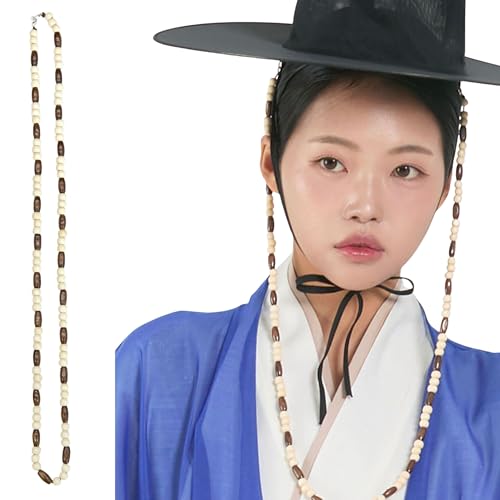
Traditional Korean Accessory: Authentic wooden beaded hat string designed to attach to traditional Korean Gat hats, perfect for completing your Hanbok costume ensemble
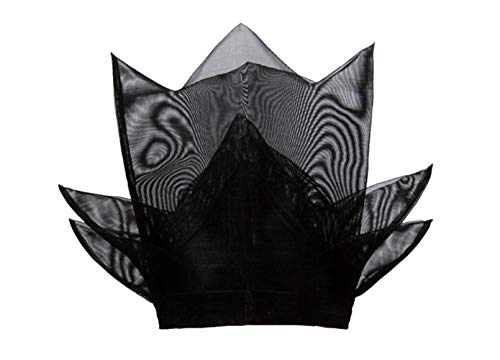
This is a traditional Korean-style hat, modeled after the kind worn at home by Yangban (noblemen) and Hunjang (village schoolteachers) during the Joseon Dynasty.

AUTHENTIC JOSEON DYNASTY DESIGN: Inspired by the traditional Korean Gat worn by scholars during the Joseon Dynasty, this wide-brim black mesh hat is a striking historical costume piece.
Korean Traditional Games: Yutnori and More
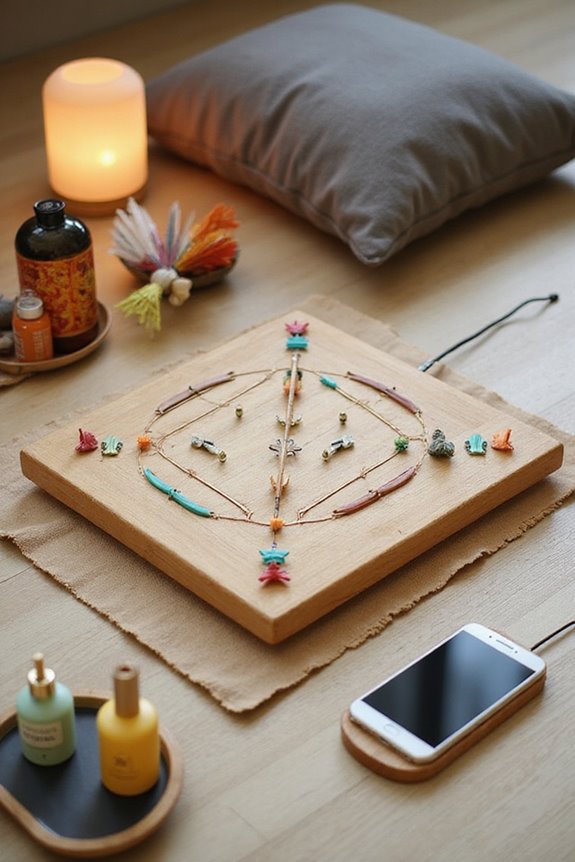
Korean culture is deeply enriched by a variety of traditional games that reflect societal values and historical significance. Games like Yutnori, a board game involving the throwing of wooden sticks, symbolize teamwork and communal enjoyment, particularly during the Korean New Year. Similarly, Ssireum, a form of wrestling, showcases the connection between physical prowess and community celebration, historically linked to festivals such as Chuseok. Neolttwigi, a seesaw game, emphasizes cooperation and joy among participants. Additionally, games like Jegichagi and Tuho promote physical skill and social interaction. Each of these traditional games carries cultural significance, tracing their origins back to agrarian societies while remaining widely played today, demonstrating the enduring legacy of Korea’s rich cultural heritage.
Essential Korean Food Items: Kimchi and Gochujang
Exploring the essential food items in Korean cuisine, we find that kimchi and gochujang stand out for their cultural significance and culinary versatility. Kimchi, a traditional fermented vegetable dish, primarily features napa cabbage and Korean radish, seasoned with garlic and gochugaru. This fermentation technique creates lactic acid bacteria, which delivers its characteristic sour and umami flavors. Gochujang, a fermented red chili paste with roots dating back to the 16th century, combines red chili powder, glutinous rice, and fermented soybean powder. The slow fermentation in traditional earthenware pots enhances its complex flavor profiles, balancing sweetness, spiciness, and umami. Both of these staples are pivotal in Korean kitchens, contributing to well-rounded, rich dishes enjoyed by many. Additionally, the use of authentic ingredients like gochugaru and glutinous rice in these items ensures the preservation of traditional flavors.
Recommended Products

Kimchi Fermentation & Storage Refrigerator - Designed for kimchi fermentation and storage with adjustable temperature control.

Advanced CH-CUT Catalytic Decomposition Technology: Effectively decomposes harmful gases into water molecules, eliminating tough food odors at the source. This refrigerator odor eliminator keeps your fridge consistently fresh, ensuring groceries and leftovers stay odor-free and last longer

Kimchi Fermentation & Storage Refrigerator - Designed for kimchi fermentation and storage with adjustable temperature control.
Popular Traditional Dishes: From Bibimbap to Jjinmandu
As we explore popular traditional dishes, it becomes evident that they reflect both cultural heritage and modern culinary practices in Korea. Bibimbap stands as a quintessential example, featuring a vibrant mix of sautéed vegetables, marinated meat, and gochujang, often served in a heated stone bowl. This customizable dish appeals to a range of dietary preferences, making it a staple of Korean food. Another notable dish is jjinmandu, steamed dumplings filled with pork and vegetables, celebrated for their soft texture and savory taste. Additionally, we have tteokbokki, a chewy snack in a sweet-spicy sauce, and dak galbi, a spicy stir-fried chicken dish, each representing unique aspects of Korean culinary traditions that people enjoy widely today.
Handcrafted Korean Souvenirs and Crafts
Handcrafted souvenirs and artisanal crafts offer a tangible connection to Korea’s rich cultural heritage. Among these, Korean paper crafts, especially made from durable hanji, showcase centuries-old techniques. Artisans create beautiful notebooks, lanterns, and decorative fans adorned with intricate patterns or calligraphy. Visitors often find these items in markets like Insadong, where workshops occasionally allow them to create their own personalized pieces. Additionally, traditional mask making, which produces wooden masks used in folk dances, represents diverse characters and emotions. These colorful masks, while once burned after performances, now serve as unique symbols of Korean cultural traditions. By acquiring these handcrafted items, we embrace and celebrate Korea’s artistry and history, ensuring that these traditions endure. Furthermore, many of these items can be appreciated for their cultural heritage and the stories they tell of Korea’s past.
Frequently Asked Questions
What Are the Cultural Significances of Traditional Korean Clothing?
When exploring hanbok symbolism, we find it embodies our cultural identity. The colors and designs tell stories of status and celebration, reinforcing our values and connecting us to traditions that shape our sense of belonging.
How Are Traditional Games Played in Modern Korean Society?
In modern Korean society, we find traditional games still celebrated during festivals, but modern adaptations are rare. While urban life draws us elsewhere, we cherish the connections formed through these games, bridging generations and cultures.
Where Can I Purchase Authentic Traditional Korean Crafts?
As we wander vibrant streets, let’s explore authentic marketplaces brimming with treasures. We can also discover online shops offering exquisite craftsmanship, ensuring the stories and skills of artisans live on in our homes.
What Is the History Behind Korean Traditional Teas?
We’ve explored the rich history of Korean traditional teas, from herbal and fruit tea varieties in the Samhan Era to unique brewing methods developed during the Silla and Goryeo dynasties, reflecting cultural and spiritual practices.
Are There Any Festivals Celebrating Traditional Korean Food or Crafts?
We’ve got exciting options to explore! From traditional food festivals like Chuseok and Seollal to crafts exhibitions showcasing Korean artistry, we can immerse ourselves in rich culture and flavors that celebrate our heritage together!